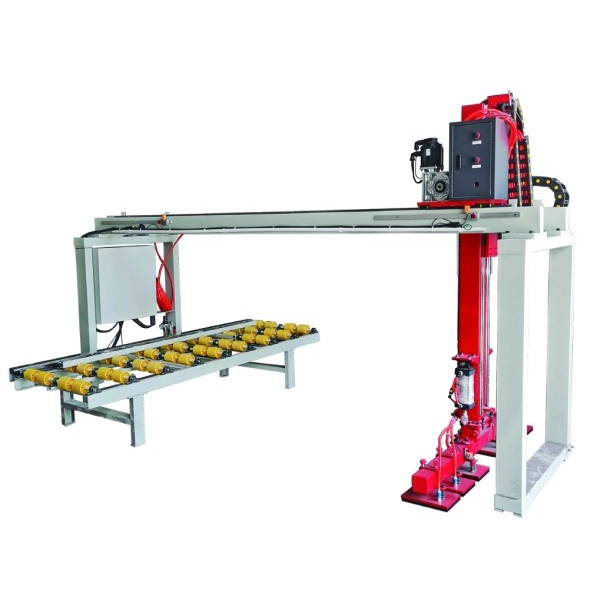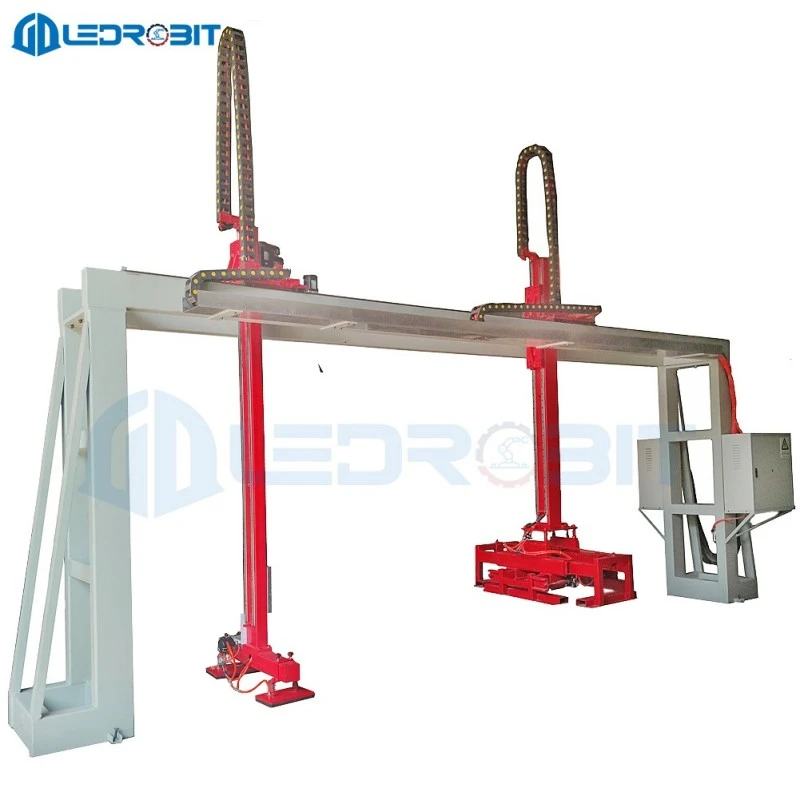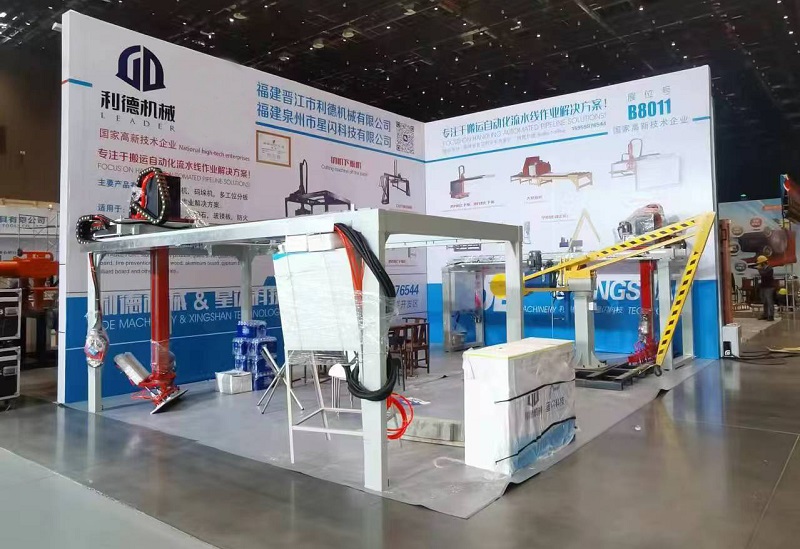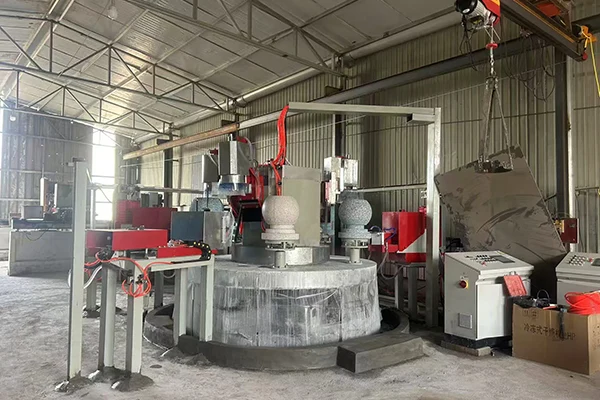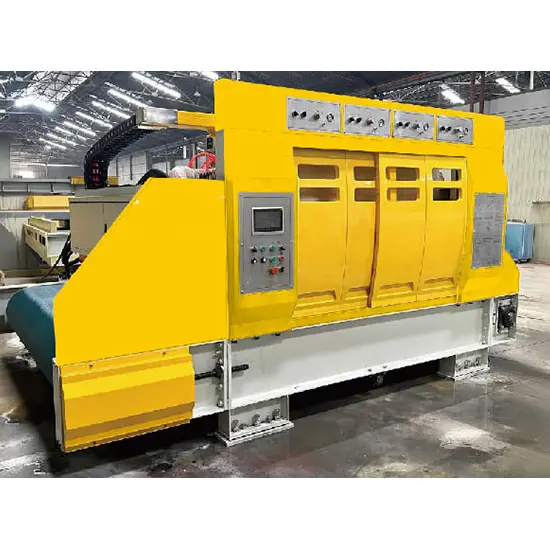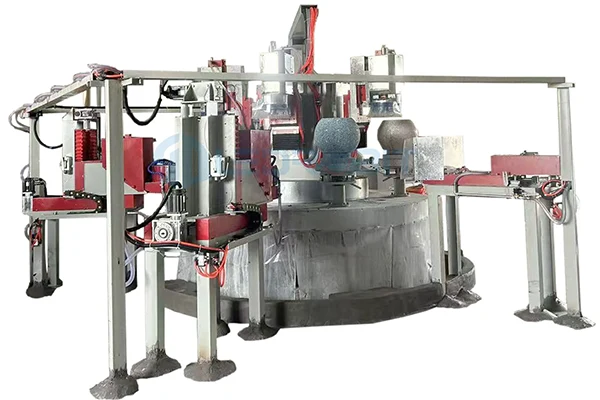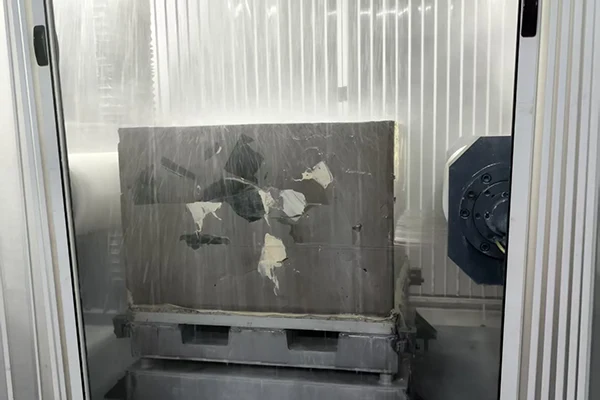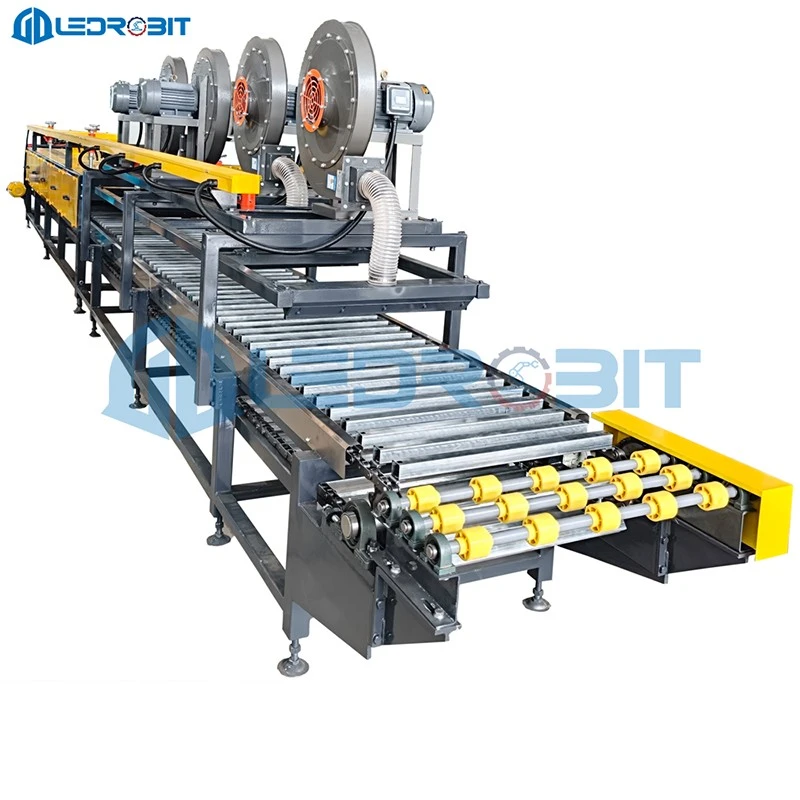

Artificial stone machines play an important role in manufacturing engineered stone slabs, decorative panels, countertops, tiles, and other architectural products. From mixing and molding equipment to cutting, grinding, and polishing systems, each machine supports a different stage of production. Understanding machine functions, material compatibility, automation levels, and maintenance requirements helps manufacturers improve product consistency, reduce material waste, control operating costs, and meet changing customer demands. This guide explains the main equipment categories, practical applications, purchasing considerations, and maintenance practices that help businesses build a more reliable artificial stone production process.
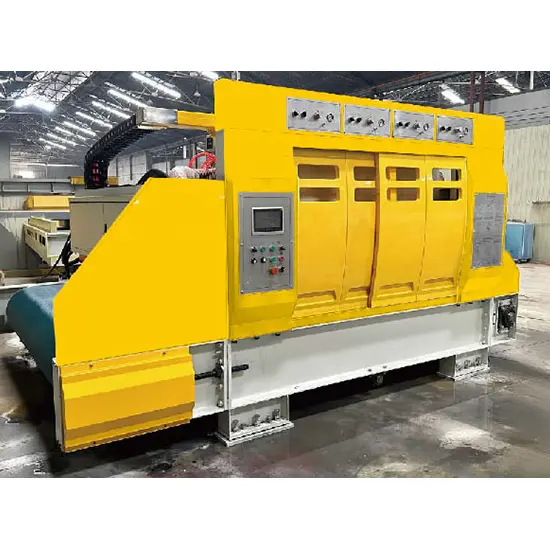
1. What Are Artificial Stone Machines?
Artificial stone machines are industrial systems used to manufacture or process engineered stone and other manufactured stone-based materials. Depending on the product and production method, the equipment may prepare raw materials, mix binders and aggregates, shape products in molds, compress mixtures, cure materials, or finish solidified surfaces.
Unlike natural stone, which is extracted from quarries and processed into usable dimensions, artificial stone is produced by combining selected ingredients. These may include mineral aggregates, quartz particles, marble powder, pigments, cementitious materials, or resin binders. The exact composition depends on the product being manufactured.
For example, engineered quartz slabs, cement-based artificial stone panels, terrazzo products, and decorative artificial marble boards can require different manufacturing technologies. A machine suitable for one production method may not be appropriate for another.
This distinction is important for buyers. Before investing in equipment, manufacturers should define the material formulation, final product dimensions, surface finish, production capacity, and quality requirements. These factors determine which machines are necessary and how they should be configured.
2. What Types of Artificial Stone Machines Are Available?
Artificial stone production can involve several stages, from raw material preparation to final surface treatment. Understanding the role of each machine helps manufacturers avoid unnecessary investment and identify production bottlenecks.
2.1 Raw Material Mixing Machines
Mixing equipment combines aggregates, powders, pigments, binders, and other formulation ingredients into a consistent mixture. Uniform distribution is essential because uneven mixing can lead to color variations, inconsistent material properties, or visible defects in the finished product.
Manufacturers should consider mixing capacity, batch size, mixing speed, cleaning requirements, and compatibility with the material formulation. Materials with different particle sizes or binder characteristics may require different mixing methods.
2.2 Molding and Forming Machines
Molding equipment shapes prepared material into slabs, tiles, panels, blocks, or decorative components. The mold design and forming method determine the product's basic dimensions and geometry.
For businesses producing multiple product styles, changeover time and mold replacement procedures are important considerations. Efficient changeovers allow manufacturers to handle customized orders without creating excessive production delays.
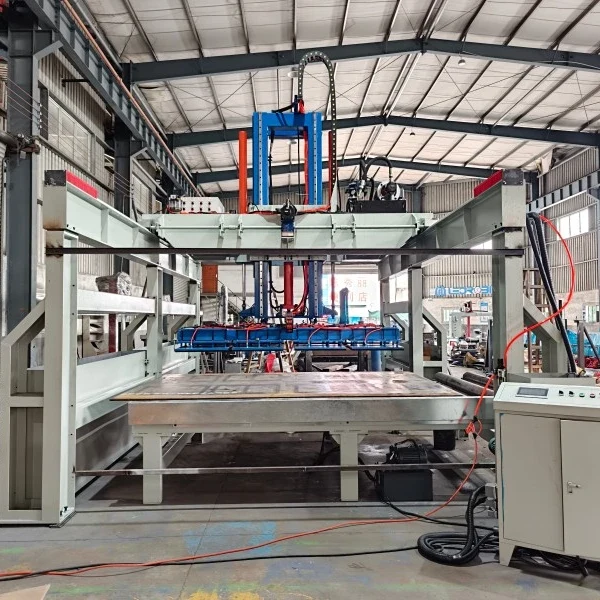
2.3 Pressing and Compaction Equipment
Depending on the manufacturing process, pressing or compaction systems help consolidate material and control its density. Certain engineered stone production methods use specialized vibration and vacuum systems to reduce trapped air and improve material consistency.
These systems must be selected according to the production technology rather than by pressure rating alone. Buyers should confirm that the machine's operating method is compatible with the intended raw materials, binder system, and product specifications.
2.4 Curing and Hardening Systems
Some artificial stone products require controlled curing or hardening conditions before further processing. The required temperature, duration, and environmental conditions depend on the binder chemistry and manufacturing method.
Consistent curing helps manufacturers maintain predictable production schedules and reduce defects caused by unsuitable processing conditions. Curing equipment should therefore be evaluated as part of the complete production line.
2.5 Cutting and CNC Processing Machines
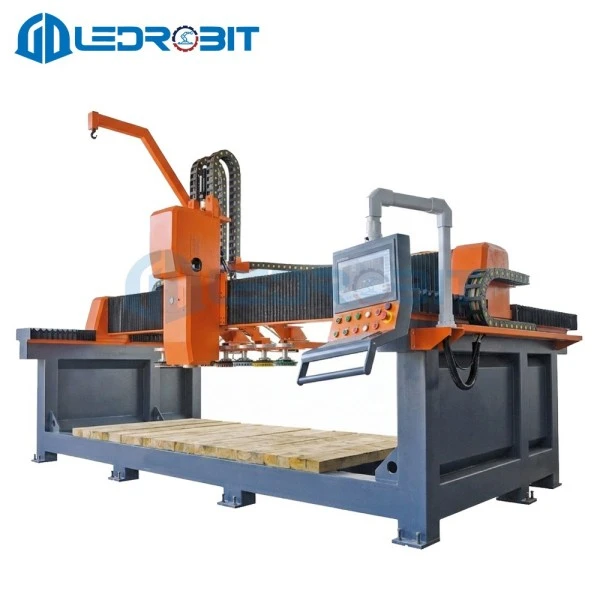
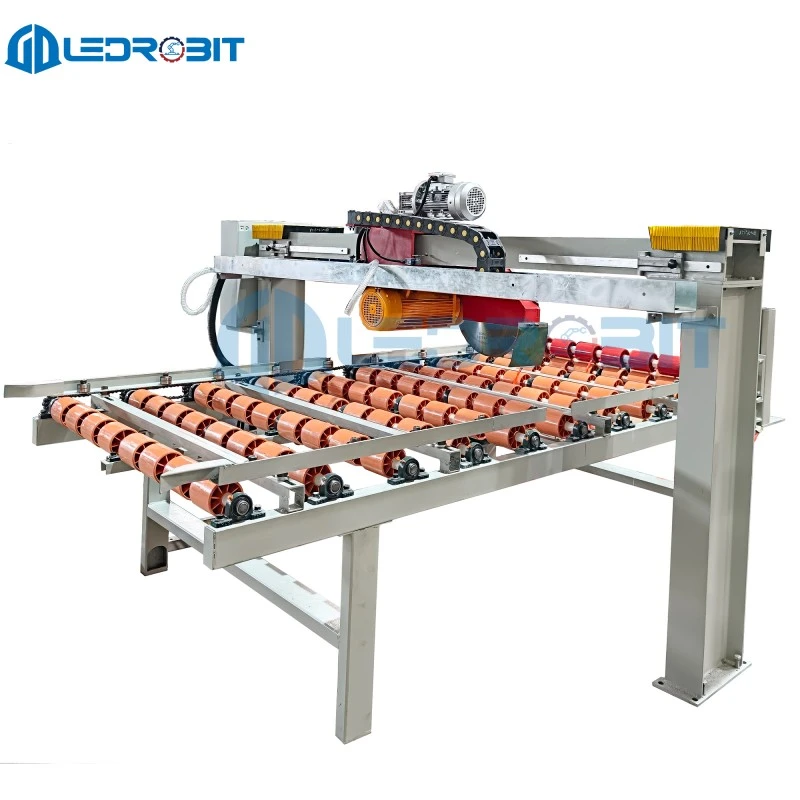
Once artificial stone slabs or components are ready for fabrication, cutting machines transform them into the dimensions required for specific projects. Bridge saws, CNC cutting systems, routers, and other suitable equipment can support straight cuts, shaped edges, openings, and customized profiles.
Equipment selection depends on material hardness, slab thickness, cutting geometry, dimensional tolerances, and production volume. A workshop processing standard countertop shapes may have different needs from a factory manufacturing intricate architectural components.
2.6 Grinding and Polishing Machines
Grinding and polishing equipment improves surface flatness, smoothness, and appearance. Depending on the material and finishing requirements, manufacturers may use calibration machines, grinding heads, polishing systems, or specialized surface-treatment equipment.
Surface quality is particularly important for countertops, decorative panels, flooring, and other products where customers expect consistent color, texture, and gloss. The correct abrasive tools and processing sequence are as important as the machine itself.
| Machine Category | Main Function | Key Buying Consideration |
|---|---|---|
| Mixing machine | Combines raw materials and binders | Batch capacity and mixing uniformity |
| Molding equipment | Forms products into the required shape | Mold compatibility and changeover time |
| Pressing or compaction system | Consolidates material where required | Compatibility with the production process |
| Curing equipment | Supports controlled hardening | Process conditions and cycle time |
| Cutting or CNC machine | Produces accurate dimensions and shapes | Cutting capacity and dimensional accuracy |
| Grinding and polishing machine | Improves surface finish | Finish consistency and tooling compatibility |
3. How Do Artificial Stone Machines Work Together?
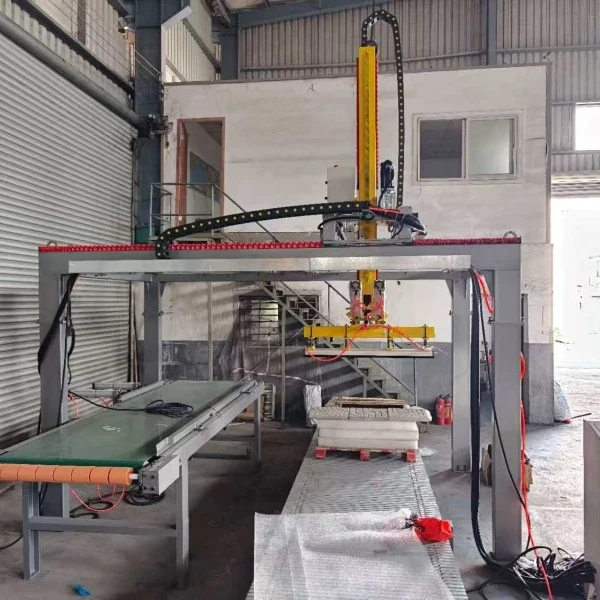
A well-organized production line connects individual machines into a coordinated workflow. Although the precise sequence varies by material and manufacturing technology, the overall objective is to move products efficiently between stages while maintaining consistent quality.
- Material preparation: Raw ingredients are measured, inspected, and prepared according to the product formulation.
- Mixing: Compatible materials are combined to achieve the required distribution and consistency.
- Forming: The mixture is shaped into slabs, tiles, blocks, or other product formats.
- Compaction and curing: Applicable forming, vacuum, vibration, pressing, or curing operations are completed according to the chosen production method.
- Cutting and calibration: Products are brought to the required dimensions and thickness.
- Grinding and polishing: Surfaces and edges are finished to meet the specified appearance and quality standards.
- Inspection and packaging: Finished products are checked for dimensions, visible defects, and other customer requirements before dispatch.
Every stage affects the next one. Inaccurate forming may increase cutting waste, while inconsistent curing can complicate finishing. A polishing machine cannot fully correct structural defects created earlier in production.
For this reason, manufacturers should assess the entire workflow rather than selecting machines independently. Production planning should account for transfer time, work-in-process storage, operator responsibilities, and the capacity of each processing stage.
4. Why Does the Right Equipment Matter?
4.1 More Consistent Product Quality
Repeatable machine settings and controlled production procedures help reduce variations in dimensions, surface finish, and product appearance. Consistency is especially valuable for commercial projects that require multiple pieces to match within a defined specification.
4.2 Better Production Efficiency
Suitable automation can reduce repetitive manual work and improve throughput. However, the actual improvement depends on production volume, operator training, machine configuration, and the efficiency of upstream and downstream processes.
4.3 Lower Material Waste
Accurate cutting, suitable tool selection, and careful production planning can reduce avoidable scrap. This matters when raw materials, pigments, specialty aggregates, or finished slabs represent a substantial share of manufacturing costs.
4.4 Greater Customization Capability
Flexible forming and CNC processing equipment can help manufacturers respond to different dimensions, edge profiles, decorative patterns, and project-specific designs. This flexibility is useful for suppliers serving kitchen, bathroom, furniture, construction, and interior design markets.
4.5 More Predictable Delivery
When each production stage has sufficient capacity, manufacturers can schedule orders more reliably. This helps reduce delays caused by finishing bottlenecks, repeated rework, or poorly coordinated machine operations.
These benefits are not automatic. They depend on selecting suitable equipment, establishing realistic production targets, maintaining machines correctly, and monitoring measurable performance indicators.
5. Where Are Artificial Stone Machines Used?
Artificial stone machinery serves a range of industries. The most suitable configuration depends on the products being made and the quality standards expected by the end customer.
- Kitchen countertops: Cutting, sink openings, edge profiling, and polishing for residential and commercial kitchens.
- Bathroom products: Vanity tops, wall panels, shower components, and other fabricated surfaces.
- Flooring and wall cladding: Dimensioning, calibration, surface finishing, and batch production of tiles or panels.
- Decorative architectural products: Custom shapes, patterned surfaces, and components for interior or exterior projects.
- Furniture and interior design: Tabletops, reception counters, shelving, and bespoke decorative elements.
- Terrazzo and manufactured stone products: Specialized mixing, molding, pressing, curing, or finishing systems, depending on the material technology.
One important consideration is that artificial stone is a broad category. Machinery designed for resin-bound engineered quartz slabs may differ substantially from equipment used to manufacture cement-based terrazzo or lightweight decorative stone panels. Buyers should confirm material compatibility before comparing machine specifications.
6. How Can You Choose the Right Artificial Stone Machines?
The most suitable machine is not necessarily the one with the highest rated capacity or the most advanced control system. It is the one that reliably meets your production requirements without creating unnecessary complexity or operating costs.
Step 1: Define Your Products and Materials
List the products you plan to manufacture, including their dimensions, thickness, surface finish, and expected tolerances. Identify the exact material formulation and confirm which processes it requires.
Step 2: Calculate Realistic Production Demand
Estimate daily or monthly output based on actual orders or a defensible sales forecast. Consider product mix, setup time, changeovers, cleaning, maintenance, and rejected products. Nominal machine capacity alone may not reflect practical output.
Step 3: Match Capacity Across the Production Line
Identify which stage will determine overall throughput. For example, a high-capacity cutting machine provides limited benefit if polishing equipment cannot process the same volume. Compare cycle times and required labor across the full workflow.
Step 4: Review Automation and Control Requirements
Automation can improve repeatability, but it also introduces requirements for operator training, programming, maintenance, and technical support. Choose a control system that matches your team's skills and the complexity of your products.
Step 5: Confirm Installation and Facility Requirements
Check available floor space, power supply, water requirements, drainage, compressed air, lifting equipment, ventilation, and waste-management arrangements. Heavy machinery may require suitable foundations and carefully planned material-handling routes.
Step 6: Compare Service Support and Spare Parts
Ask about installation guidance, training, warranty coverage, spare-part availability, troubleshooting procedures, and service response arrangements. A competitive initial quotation may not represent the best long-term value if support is limited.
7. How Can Manufacturers Control Production Costs?
The purchase price is only one part of the total cost of owning artificial stone machines. Energy consumption, consumables, labor, maintenance, downtime, material waste, and training can all influence long-term profitability.
A practical equipment evaluation should consider the following factors:
- Energy use: Review expected power consumption under representative operating conditions, not only the installed motor rating.
- Consumables: Estimate the replacement frequency and cost of blades, abrasive tools, filters, and other process-specific components.
- Labor requirements: Determine how many trained operators are needed for normal production, setup, cleaning, and quality checks.
- Material yield: Track usable output against input material to identify waste and opportunities for better cutting layouts.
- Downtime: Include preventive maintenance, expected repairs, and the consequences of a machine failure on delivery schedules.
- Quality losses: Measure the cost of rejected products, rework, customer claims, and delayed shipments.
Manufacturers can establish a baseline by recording output per shift, material yield, reject rate, energy use, and unplanned downtime. Reviewing these indicators over time helps identify whether an equipment upgrade is producing meaningful operational improvements.
Rather than relying on general claims about productivity or savings, request a demonstration using comparable materials and representative product designs. Where possible, document the test conditions and acceptance criteria before the demonstration begins.
8. How Should Artificial Stone Machines Be Maintained?
Artificial stone machinery often operates in environments involving abrasive dust, slurry, water, vibration, and continuous mechanical loads. A structured maintenance program helps preserve accuracy, support safe operation, and reduce unexpected stoppages.
Daily Checks
- Clean work surfaces and remove accumulated material residue.
- Inspect cutting tools, guards, and accessible machine components.
- Check cooling-water flow and filtration where applicable.
- Look for unusual vibration, noise, leakage, or visible damage.
- Verify that safety devices and emergency stops function correctly.
Weekly and Scheduled Maintenance
- Inspect guide rails, moving assemblies, and lubrication points according to the manufacturer's instructions.
- Check tool condition and replace worn components when required.
- Review alignment and calibration if accuracy begins to drift.
- Inspect electrical connections and other serviceable components according to approved procedures.
- Record maintenance activities, recurring faults, and replaced parts.
Maintenance intervals should follow the equipment manufacturer's instructions and reflect actual operating conditions. Electrical servicing, internal repairs, and work involving stored energy should be performed by qualified personnel using appropriate isolation procedures.
Material handling and dust control also deserve attention. Cutting or grinding certain engineered stone materials can generate respirable crystalline silica. Employers should assess material composition and exposure risks, implement suitable engineering controls and work practices, and follow applicable occupational health requirements. Wet processing alone should not be assumed to eliminate every exposure risk.
9. What Should You Check Before Buying?
A structured supplier evaluation can help purchasing teams compare technical suitability, operating costs, and service arrangements before committing to an investment.
| Evaluation Area | Questions to Ask | Evidence to Request |
|---|---|---|
| Material compatibility | Can the machine process our exact material and formulation? | Technical confirmation and material test results |
| Performance | Can it meet our target output and tolerances? | Demonstration results and acceptance criteria |
| Build and configuration | What components, controls, and tooling are included? | Detailed technical specification and quotation |
| Installation | What utilities, floor space, and site preparation are required? | Installation drawings and utility requirements |
| Training and support | What training and after-sales assistance are available? | Written support terms and training scope |
| Ownership costs | What consumables, maintenance, and service costs should we expect? | Recommended spare-parts list and maintenance schedule |
For manufacturers evaluating equipment from Ledrobit Machinery Co., Ltd., the same preparation is useful: define the application, confirm the required machine configuration, and clarify technical and service expectations before making a purchasing decision.
Buyers should also confirm the applicable safety requirements, documentation, warranty conditions, payment terms, delivery arrangements, and commissioning responsibilities. Written agreements help ensure that both parties understand the expected machine performance and scope of supply.
10. Frequently Asked Questions
1. What are artificial stone machines used for?
Artificial stone machines are used to manufacture or process engineered stone products. Depending on the production method, they can mix raw materials, form products, compact mixtures, support curing, cut slabs, shape edges, and polish surfaces.
2. Which machines are required for artificial stone production?
The required equipment depends on the material and product. A manufacturing line may include mixing, forming, pressing or compaction, curing, cutting, grinding, and polishing equipment. Not every process requires all these machines, so the production method should be defined first.
3. Can the same machines process different artificial stone materials?
Some cutting and finishing machines can handle multiple suitable materials when correctly configured. However, mixing, molding, pressing, and curing systems are often more dependent on the specific material formulation and production technology. Compatibility should be confirmed with the equipment supplier.
4. How can artificial stone manufacturers reduce material waste?
Manufacturers can improve material yield through accurate cutting, optimized layouts, consistent forming, appropriate tooling, routine calibration, and systematic inspection. Tracking scrap rates and identifying recurring defects helps prioritize the most effective improvements.
5. Are automated artificial stone machines suitable for small factories?
They can be, depending on production volume, product variety, labor availability, and investment capacity. Small factories should compare the total cost of ownership and expected utilization with the flexibility of simpler equipment before choosing a highly automated solution.
6. What affects the price of artificial stone machines?
Pricing depends on machine type, working dimensions, processing capacity, automation level, tooling, control systems, customization, installation, and after-sales support. Comparing quotations against the same technical specification provides a more reliable basis for evaluation.
7. How often should artificial stone machinery be serviced?
Routine inspections should follow the manufacturer's maintenance schedule and account for operating hours, material abrasiveness, environmental conditions, and machine workload. Daily cleaning and safety checks may be needed, while lubrication, calibration, and component replacement follow equipment-specific intervals.
8. What information should I send when requesting a quotation?
Provide your material type, product dimensions, production target, required finish, accuracy requirements, available workshop space, utility conditions, installation location, and preferred automation level. Product drawings, photos, and representative samples can help suppliers assess the application more accurately.
Find the Right Artificial Stone Machines for Your Business
Choosing suitable artificial stone machines is an important step toward consistent product quality, efficient production, and sustainable business growth. By evaluating material compatibility, production capacity, operating costs, maintenance requirements, and technical support, manufacturers can make more informed equipment decisions.
Ledrobit Machinery Co., Ltd. is a brand name buyers can contact when exploring their artificial stone machinery requirements. Before selecting a solution, prepare your product specifications and production goals so the equipment configuration can be evaluated against your actual needs.
Planning a new production line or upgrading existing equipment? Contact us to discuss your application, clarify your technical requirements, and explore suitable artificial stone machinery solutions for your manufacturing goals.