

News
Stay updated with Ledrobit’s latest technological advancements, patent achievements, and global market expansions as we continue to innovate in industrial automation.
Industry News
 2026-11-20
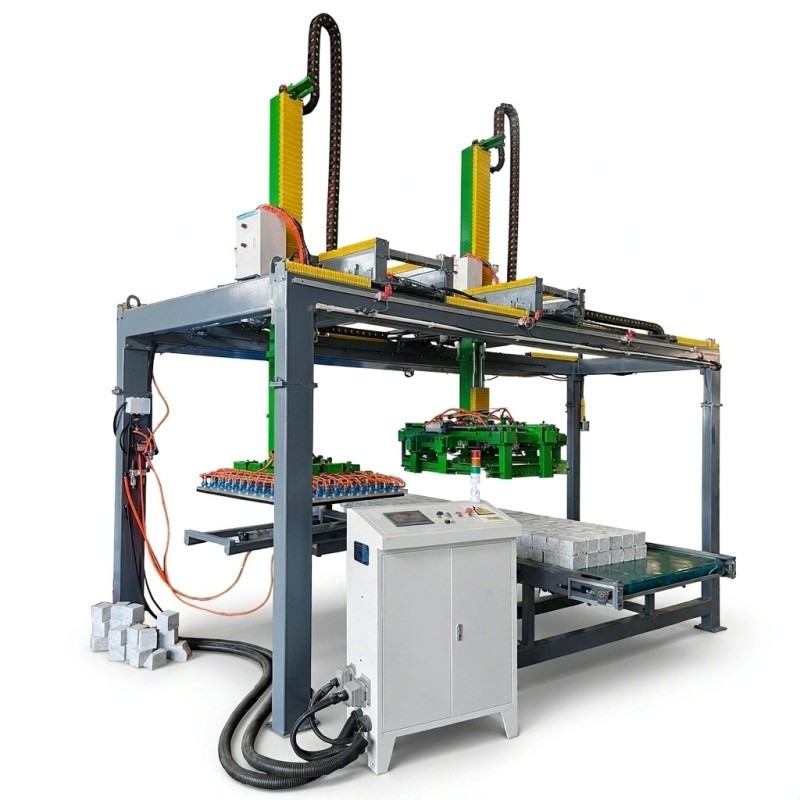
How Can Small Stone Slabs Be Loaded and Unloaded Automatically?
Automating small stone slab handling can help stone processing factories reduce manual transfers, improve positioning accuracy, and maintain a more consistent production flow. At Ledrobit, we developed the Small Stone Slab Loading and Unloading Machine to handle individual slabs and full layers between cutting and downstream processing operations. With dual gripping arms, servo-driven movement, and a belt conveyor frame, the system handles slabs measuring from 100 × 100 mm, with thicknesses of 20–100 mm, and supports full-layer transfers up to 1200 × 800 mm.
 2026-11-05
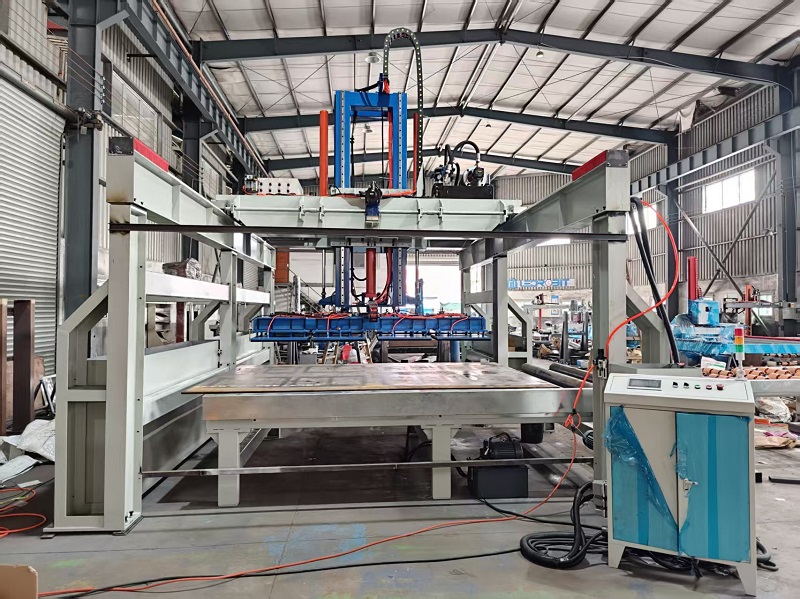
LEDROBIT Introduces LDLM9030 Heavy Duty Stone Slab Loader Unloader for Automated Stone Processing Lines
LEDROBIT, an industrial manufacturer specializing in stone automation equipment, has officially introduced the LDLM9030 Heavy Duty Stone Slab Loader Unloader. Developed over twelve months in response to the material handling requirements of high-volume stone processing facilities in China, North America, and Europe, this new system is designed to address loading and unloading bottlenecks at the entrance and exit of continuous granite flaming and sandblasting production lines.
 2026-11-03
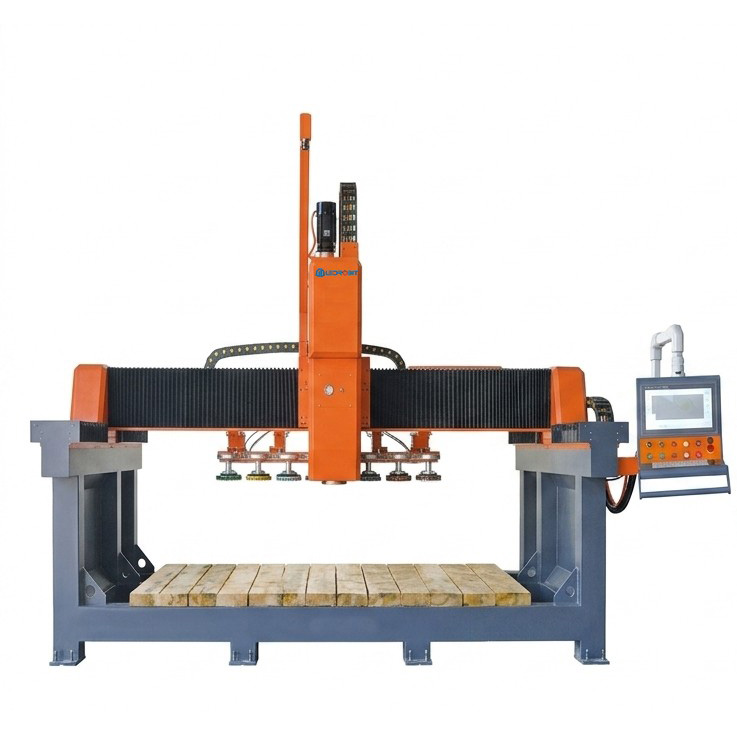
Single-Head Stone Polishing Machines: Improving Precision and Flexibility in Modern Stone Processing
The global stone processing industry continues to face changing production requirements. Architectural decoration, customized countertops, monuments, interior design and engineered stone products all require reliable surface finishing with consistent quality. While large-scale factories often rely on multi-head continuous polishing lines for standard slab production, smaller workshops and specialized manufacturers need more flexible equipment to handle customized orders and irregularly shaped materials.
 2026-10-15
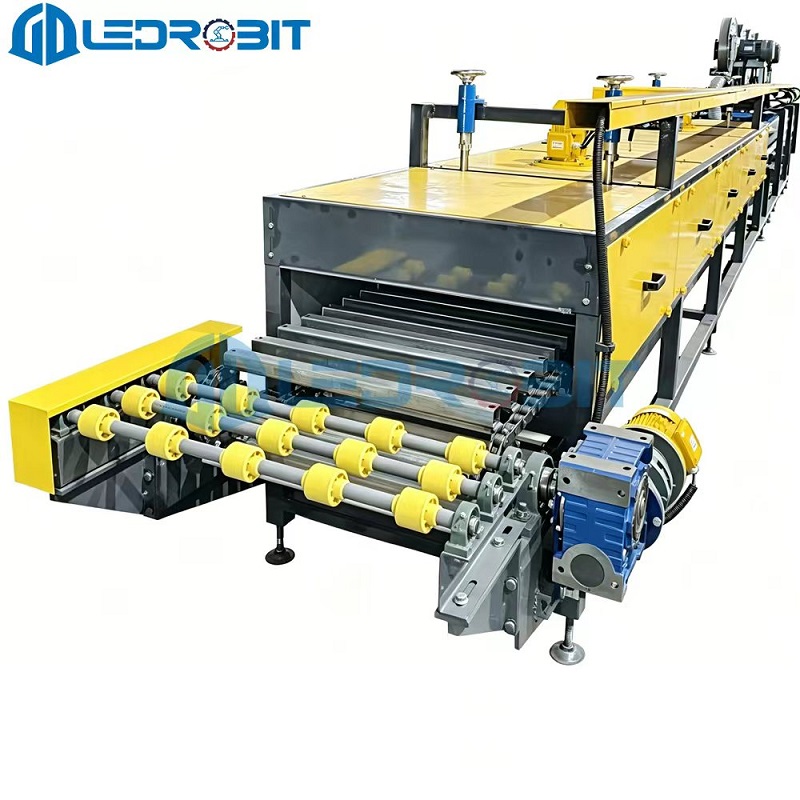
Vertical or Horizontal Curing Ovens for Marble? It Depends on Resin Curing Time and Factory Space
For marble slabs that are brittle or contain natural internal fissures, common reinforcement methods include applying resin and attaching a fiberglass mesh to the back. Once treated, the slabs are placed into a curing oven, where they undergo a curing process at a temperature and duration specific to the resin used. The choice between a vertical or horizontal curing oven depends primarily on the resin’s curing time, target production output, and available factory space.
 2026-10-14
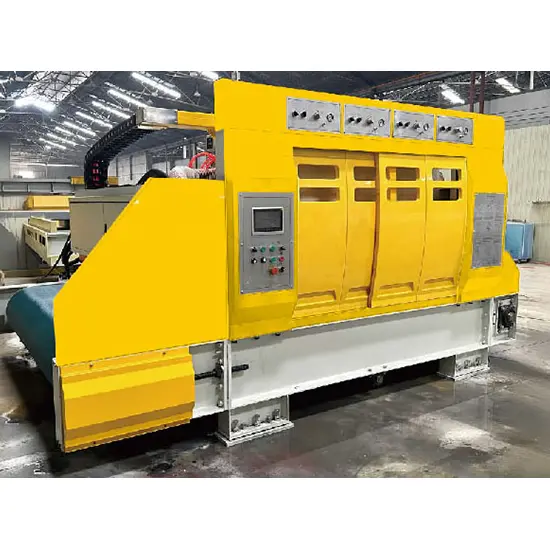
What Are Artificial Stone Machines and How Do They Improve Production Quality?
Artificial stone machines play an important role in manufacturing engineered stone slabs, decorative panels, countertops, tiles, and other architectural products. From mixing and molding equipment to cutting, grinding, and polishing systems, each machine supports a different stage of production. Understanding machine functions, material compatibility, automation levels, and maintenance requirements helps manufacturers improve product consistency, reduce material waste, control operating costs, and meet changing customer demands.
 2026-09-21
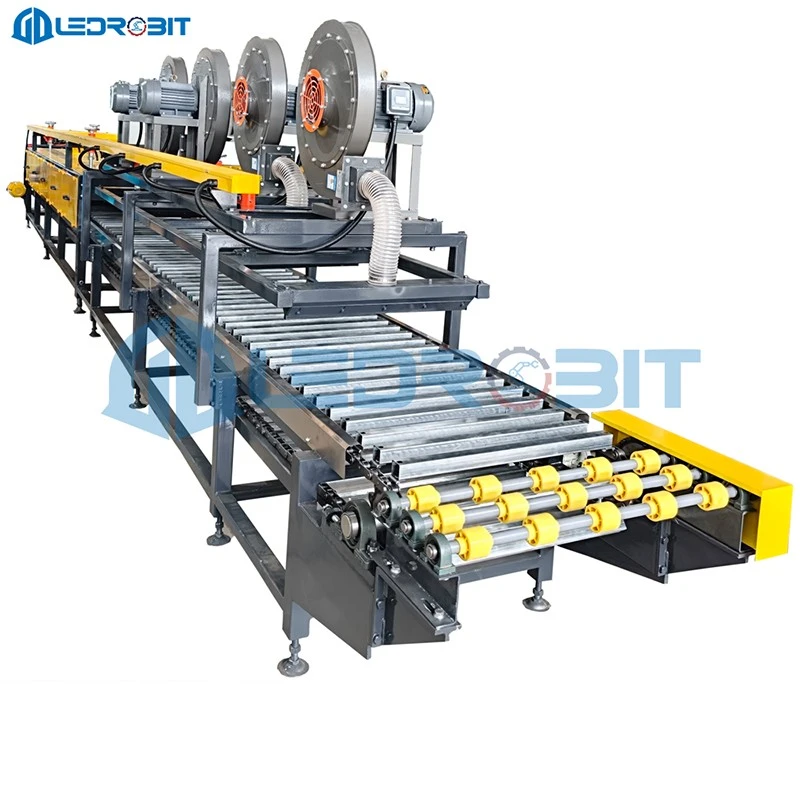
What Makes an Artificial Stone Curing Oven Essential for Consistent Stone Quality?
An artificial stone curing oven is a critical part of many engineered stone and artificial stone production lines because controlled heat can influence curing speed, dimensional stability, mechanical performance, and production consistency. The right oven must provide uniform temperature distribution, stable airflow, appropriate heating control, and enough capacity for the required production cycle. This guide explains how curing ovens work, what affects curing performance, common production problems, key equipment features, and how manufacturers can build a more reliable curing process with the support of Ledrobit Machinery Co., Ltd..