
News
Stay updated with Ledrobit’s latest technological advancements, patent achievements, and global market expansions as we continue to innovate in industrial automation.
How Can Small Stone Slabs Be Loaded and Unloaded Automatically?
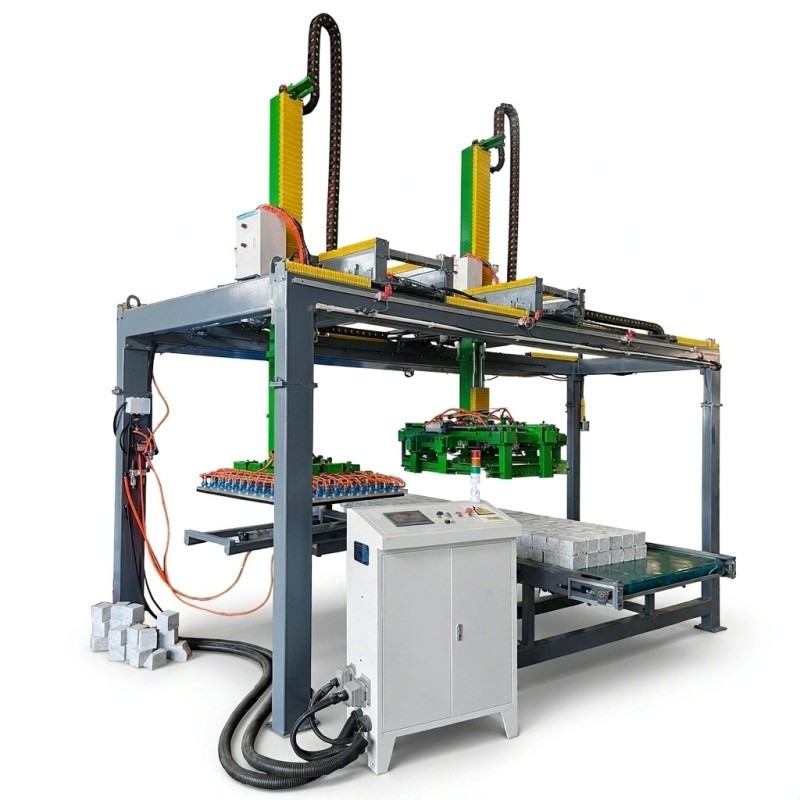
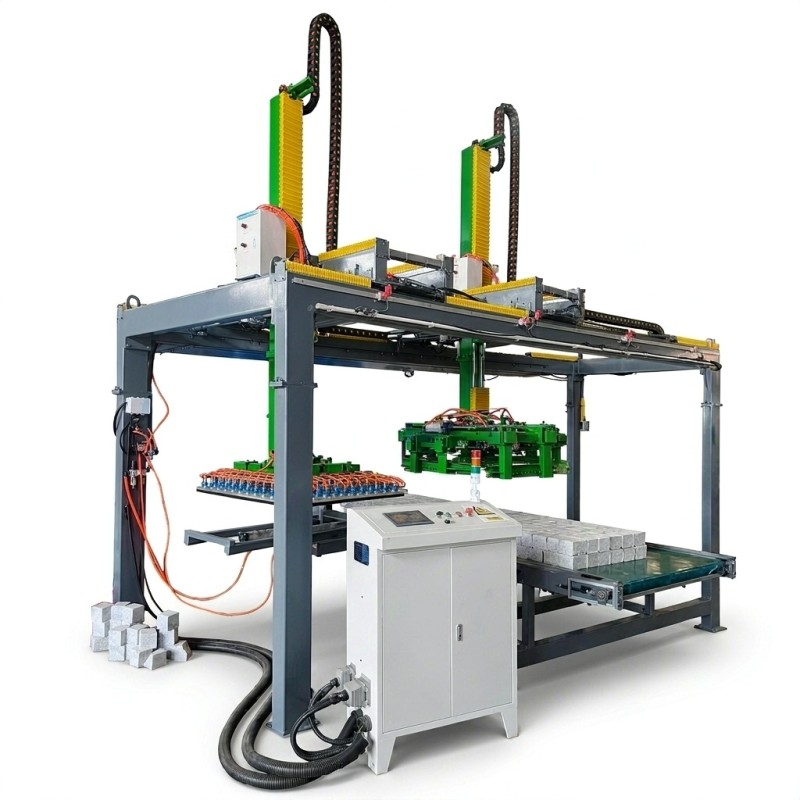
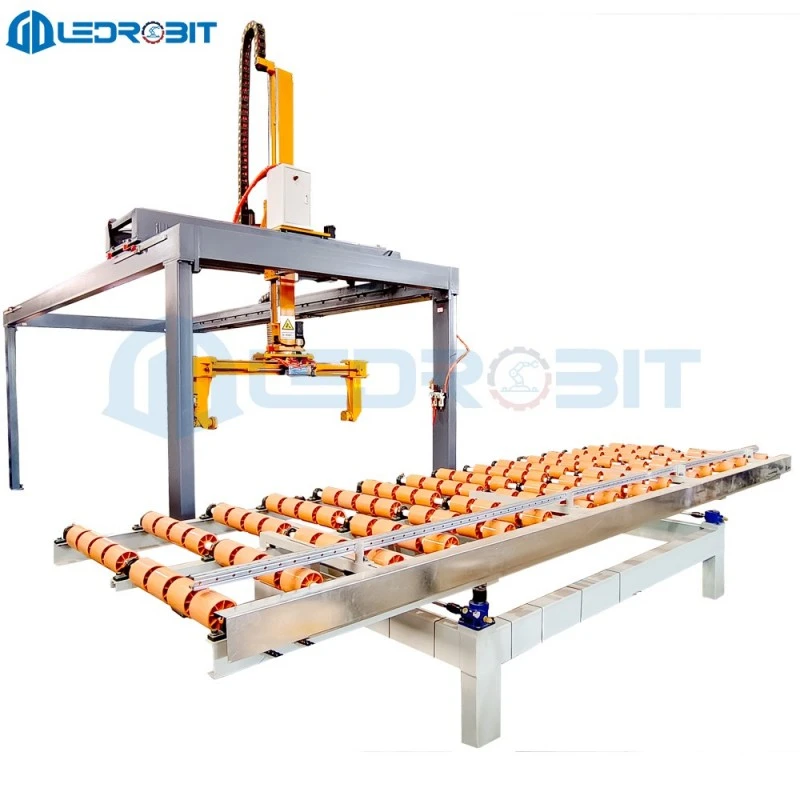
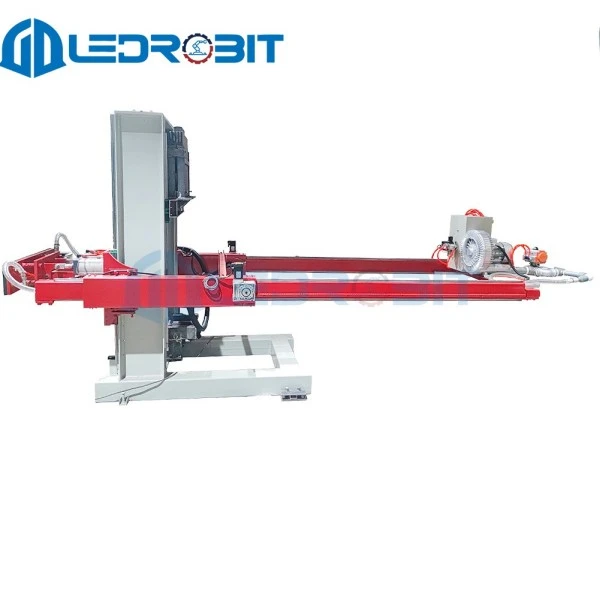
Automating small stone slab handling can help stone processing factories reduce manual transfers, improve positioning accuracy, and maintain a more consistent production flow. At Ledrobit, we developed the Small Stone Slab Loading and Unloading Machine to handle individual slabs and full layers between cutting and downstream processing operations. With dual gripping arms, servo-driven movement, and a belt conveyor frame, the system handles slabs measuring from 100 × 100 mm, with thicknesses of 20–100 mm, and supports full-layer transfers up to 1200 × 800 mm.
Contents
- Why Is Small Stone Slab Handling Difficult to Automate?
- How Does Automatic Loading and Unloading Work?
- How Do Dual Gripping Arms Handle Different Slab Thicknesses?
- Why Are Servo Control and Positioning Accuracy Important?
- Technical Specifications of the Machine
- Where Can This Machine Be Used?
- What Should Factories Consider Before Automation?
- Frequently Asked Questions
Why Is Small Stone Slab Handling Difficult to Automate?
In stone processing plants, cutting is only one part of the production process. After sawing, small stone slabs still need to be transferred to polishing, calibration, finishing, or packing stations. When these operations rely heavily on manual handling, the transfer process can become a bottleneck, particularly when production volumes increase.
Small-format stone products present their own handling challenges. Individual pieces may be relatively small, but frequent picking, repositioning, and stacking require consistent handling. Workers also need to manage different slab thicknesses and formats, making manual transfer repetitive and time-consuming.
From our experience developing automated material handling equipment since 2019, we believe that an effective solution should address more than lifting. It should also consider gripping methods, transfer accuracy, conveyor layout, and how the machine connects with upstream and downstream equipment.
This is why we developed the Small Stone Slab Loading and Unloading Machine for automated stone slab cutting lines. It handles individual small slabs as well as full layers, helping factories reduce repeated manual transfers and establish a more continuous material flow.
How Does Automatic Loading and Unloading Work?
Our automatic stone slab handling system is designed to transfer cut slabs between designated positions on a production line. A belt conveyor frame provides a supporting transfer structure, while the handling arms pick up and position the stone according to its thickness and handling requirements.
The machine supports two main handling operations:
- Individual slab transfer: The machine picks up small-format slabs and places them onto the designated conveyor or processing position.
- Full-layer transfer: It can move and stack a complete layer of stone slabs measuring up to 1200 × 800 mm, reducing the need to handle each piece separately.
In a typical production arrangement, the machine receives cut stone products, selects the appropriate gripping arm, transfers the material, and places it at the next designated position. The belt conveyor frame supports the movement of slabs between the machine and the connected production equipment.
The actual handling sequence depends on the factory layout, slab dimensions, and the configuration of the connected equipment. Before installation, we recommend confirming the transfer direction, conveyor height, loading position, and receiving position to ensure that the entire line works as intended.
How Do Dual Gripping Arms Handle Different Slab Thicknesses?
One important design feature of our machine is its dual-arm gripping arrangement. Instead of relying on a single gripping method for every slab, we use two different arms to accommodate varying thicknesses.
Suction-Cup Arm for Thin Stone Slabs
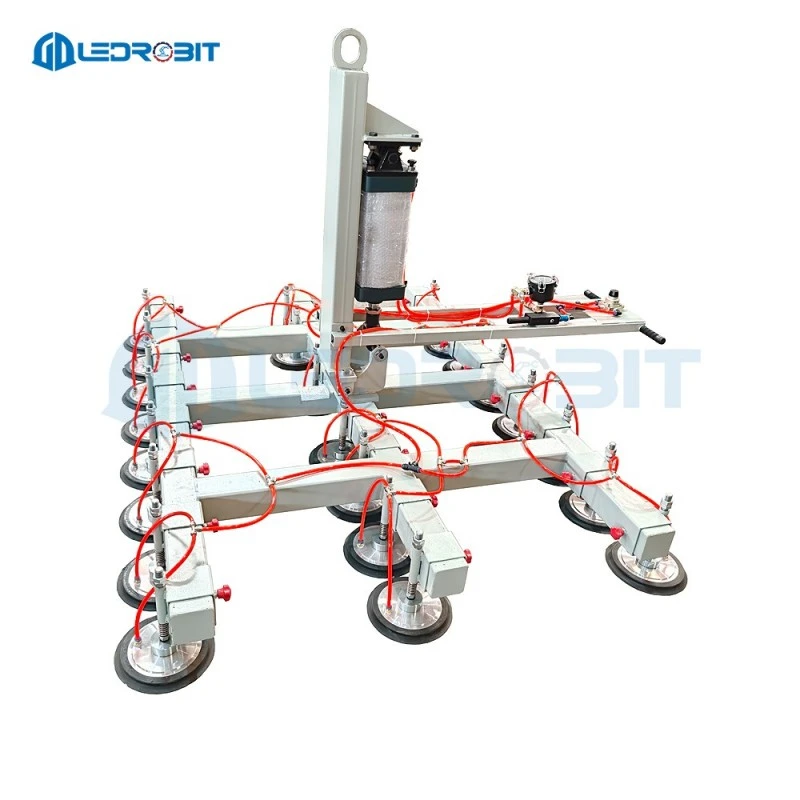
The suction-cup arm is designed for slabs under 50 mm thick. Vacuum gripping provides a practical way to pick up relatively thin stone pieces without depending on mechanical clamping from the sides.
For small stone tiles and thin slabs, the gripping position and contact surface are important. We recommend checking the slab surface condition and dimensions when selecting the suction arrangement, especially when processing different stone materials.
Clamp Arm for Thicker Slabs
For slabs over 50 mm thick, the machine uses a mechanical clamp arm. This provides a different gripping approach for thicker stone products and allows the equipment to handle a broader range of slab thicknesses.
The machine supports slab thicknesses from 20 to 100 mm, covering both handling methods within its specified operating range.
The following table summarizes the two gripping methods:
| Gripping Method | Applicable Slab Thickness | Handling Principle | Typical Application |
|---|---|---|---|
| Suction-Cup Arm | Under 50 mm | Vacuum suction | Thin stone slabs and small-format tiles |
| Clamp Arm | Over 50 mm | Mechanical clamping | Thicker stone slabs |
This dual gripping arrangement makes the machine suitable for production environments where slab thicknesses vary. However, the actual gripping configuration should always be matched to the material, dimensions, and surface condition of the products being handled.
Why Are Servo Control and Positioning Accuracy Important?
In an automated stone processing line, accurate positioning is just as important as lifting capacity. A slab that is not placed correctly may affect the next processing operation or require manual repositioning, reducing the benefits of automation.
We use servo motors as the main drive system of this machine. The servo-driven movement provides controlled positioning during lifting, transferring, and placing operations. The specified positioning accuracy reaches 0.2 mm.
The machine completes one operating cycle in approximately 30 seconds. This figure provides a reference for production planning, but it should not be treated as a fixed output rate. Actual cycle time varies with slab dimensions, gripping method, transfer distance, and factory operating conditions.
For manufacturers planning to connect an automatic slab loader with an existing cutting or finishing line, we recommend evaluating the complete transfer cycle rather than looking at the machine's individual movement speed. The upstream discharge rate and downstream receiving capacity also affect the actual production rhythm.
Technical Specifications of the Small Stone Slab Loading and Unloading Machine
When selecting automatic stone slab handling equipment, we suggest checking the minimum product size, thickness range, gripping configuration, and available installation space first. These parameters help determine whether the machine can match the existing production process.
| Item | Specification |
|---|---|
| Application | Small-format stone slabs |
| Minimum Single Slab Size | 100 × 100 mm |
| Slab Thickness | 20–100 mm |
| Handling System | Suction-cup arm and clamp arm |
| Suction-Cup Arm | For slabs under 50 mm thick |
| Clamp Arm | For slabs over 50 mm thick |
| Maximum Full-Layer Size | 1200 × 800 mm |
| Positioning Accuracy | Up to 0.2 mm |
| Cycle Time | Approximately 30 seconds per cycle |
| Main Drive | Servo motors |
| Conveyor | Belt conveyor frame |
| Machine Dimensions | 6000 × 2300 × 2600 mm |
One point worth noting is the difference between the minimum individual slab size and the full-layer handling size. The machine can handle individual slabs starting from 100 × 100 mm, while 1200 × 800 mm refers to the maximum supported full-layer transfer format.
These specifications provide a starting point for equipment selection. For customized applications, we recommend confirming the actual slab sizes, thickness distribution, handling frequency, and workshop dimensions before finalizing the machine configuration.
Where Can This Machine Be Used?
Our small stone slab loading and unloading solution is primarily designed for stone processing factories that need to automate material transfers after cutting. It is particularly relevant to production lines handling small-format stone products and multiple pieces within a single processing batch.
Stone Slab Cutting Lines
After cutting, small slabs need to be transferred from the cutting area to the next operation. An automatic loading and unloading machine can take over these repetitive movements, helping reduce manual handling between processing stages.
Stone Calibration and Polishing Lines
For factories connecting cutting with calibration or polishing operations, consistent slab positioning is important. The servo-driven transfer system and belt conveyor frame provide a practical arrangement for moving materials between designated stations.
Stone Sorting and Packing Areas
Small stone products often need to be grouped and stacked before further processing or packing. The full-layer handling function supports the transfer of multiple pieces together, which can simplify material movement in these areas.
Depending on the factory's requirements, we can also discuss how the machine fits into a wider automation arrangement. Our experience covers material handling solutions for artificial stone, concrete products, aluminum, and wood panels, not only traditional stone processing.
You can learn more about our artificial stone machinery and industrial conveyor systems for other material handling and production line applications.
What Should Factories Consider Before Automating Slab Handling?
In our view, choosing an automatic loading and unloading machine should start with the actual production process, not simply the machine's headline specifications. Several details can affect whether the equipment works smoothly after installation.
1. Confirm Slab Dimensions and Thickness
Prepare the minimum and maximum slab dimensions, thickness range, and typical product combinations. If a production line handles both thin and thick slabs, confirm how frequently the machine needs to switch between the suction-cup arm and clamp arm.
2. Check the Material Surface Condition
Different stone surfaces may affect vacuum gripping performance. Natural stone, artificial stone, and processed surfaces can have different textures and contact conditions. We recommend providing representative product photos or samples for gripping assessment before selecting the final configuration.
3. Measure the Available Workshop Space
The machine dimensions are 6000 × 2300 × 2600 mm. However, the installation assessment should also consider transfer distances, conveyor positions, maintenance access, and the space required for loading and unloading operations.
4. Match the Machine to the Production Line
A machine operating independently may not solve a bottleneck if the upstream cutting equipment or downstream processing station cannot keep pace. We recommend reviewing the complete material flow, including feeding, transfer, receiving, and stacking arrangements.
5. Evaluate Actual Cycle Requirements
The reference cycle time is approximately 30 seconds. For factories with demanding production targets, the slab size, handling method, and transfer distance should be evaluated together to estimate the practical operating rhythm.
Frequently Asked Questions
1. What is the minimum stone slab size this machine can handle?
The minimum single slab size is 100 × 100 mm. The machine is designed for small-format stone products and also supports full-layer transfers up to 1200 × 800 mm.
2. Can the machine handle both thin and thick stone slabs?
Yes. It uses two different gripping arms. The suction-cup arm handles slabs under 50 mm thick, while the clamp arm handles slabs over 50 mm thick. The specified overall slab thickness range is 20–100 mm.
3. How long does one loading and unloading cycle take?
The reference cycle time is approximately 30 seconds. Actual operating time depends on slab dimensions, gripping method, transfer distance, and production conditions.
4. Can the machine transfer multiple stone tiles at once?
Yes. In addition to individual slab handling, the machine supports full-layer transfer up to 1200 × 800 mm. This allows multiple small stone slabs to be moved together rather than transferred one by one.
5. Does the machine require a large installation area?
The machine dimensions are 6000 × 2300 × 2600 mm. The actual installation area should also account for conveyor connections, slab transfer positions, and maintenance access.
6. Can this equipment connect to an existing stone cutting line?
The machine is designed for automated stone slab cutting line applications and includes a belt conveyor frame for material transfer. Compatibility with a specific production line should be confirmed according to conveyor height, transfer direction, control requirements, and the layout of upstream and downstream equipment.
7. What information is needed to configure an automatic stone slab handling machine?
We recommend preparing the stone type, minimum and maximum slab dimensions, thickness range, individual slab weight, surface condition, full-layer size, required transfer direction, target cycle time, and workshop layout. These details help us evaluate the gripping method and overall machine arrangement.
How Ledrobit Supports Stone Processing Automation
Since 2019, we at Ledrobit have continued developing automated material handling equipment for different industrial applications. Our work has expanded from board handling to stone, concrete products, aluminum, and wood panels, with ongoing improvements in automation and motion control technology.
We understand that different factories have different production layouts, material specifications, and automation requirements. A practical handling solution needs to match the actual products and production sequence rather than simply follow a standard equipment configuration.
Our product range includes artificial stone machines, concrete brick machines, and industrial conveyor systems. We continue to develop loading, unloading, stacking, and material transfer solutions for manufacturers looking to improve production efficiency and optimize factory material flow.
If you are planning to automate small stone slab handling, we invite you to share your slab dimensions, thickness range, production line layout, and handling requirements with us. Our team can evaluate the application and discuss a suitable Small Stone Slab Loading and Unloading Machine configuration for your factory.
Related News
- LEDROBIT Introduces LDLM9030 Heavy Duty Stone Slab Loader Unloader for Automated Stone Processing Lines
- Single-Head Stone Polishing Machines: Improving Precision and Flexibility in Modern Stone Processing
- Vertical or Horizontal Curing Ovens for Marble? It Depends on Resin Curing Time and Factory Space
- What Are Artificial Stone Machines and How Do They Improve Production Quality?
- What Makes an Artificial Stone Curing Oven Essential for Consistent Stone Quality?
- How Ultra-Fine Wire Saw Technology Improves Stone Processing Efficiency and Material Yield
Leave me a message
News Recommendations