
Products
Our product portfolio includes automatic loading/unloading machines, palletizers, and board sorting systems, designed for materials like stone, aluminum, concrete, and wood, with advanced features such as multi-axis control and visual recognition.
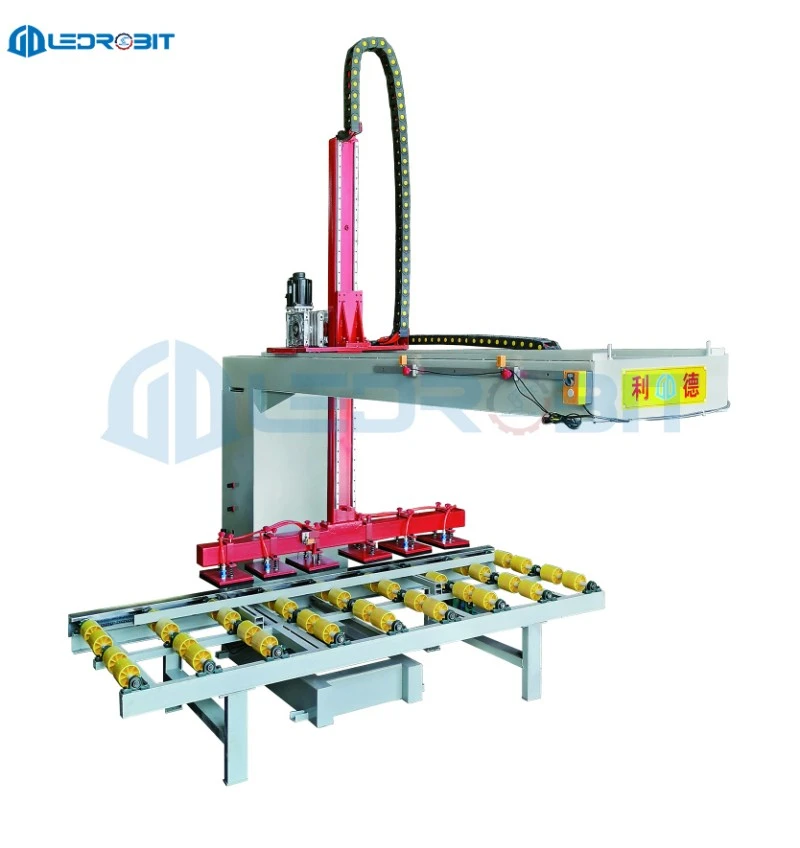
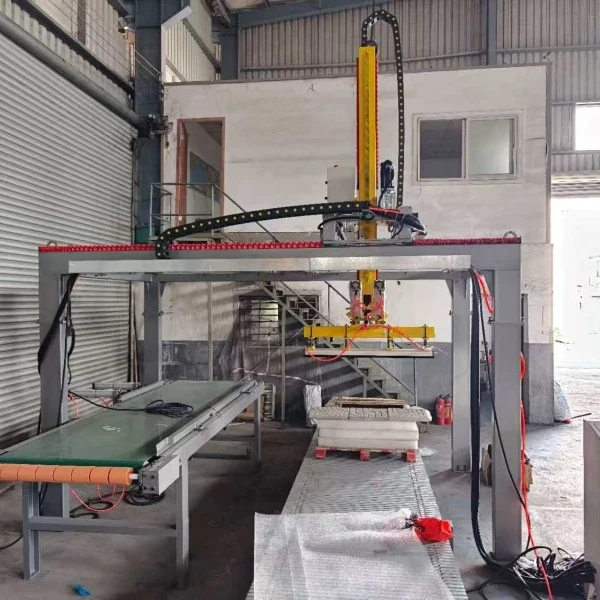
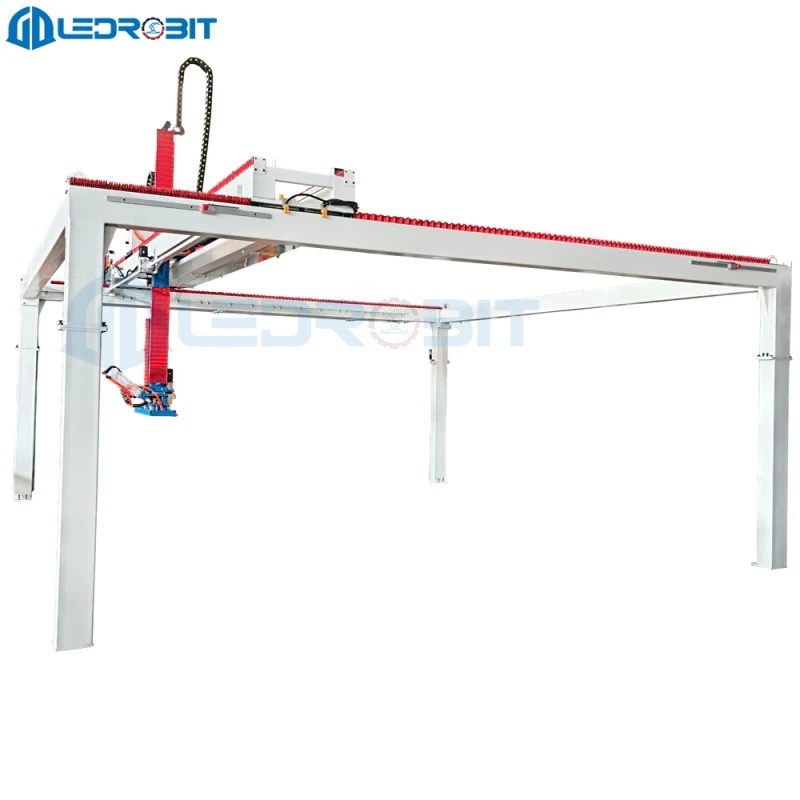
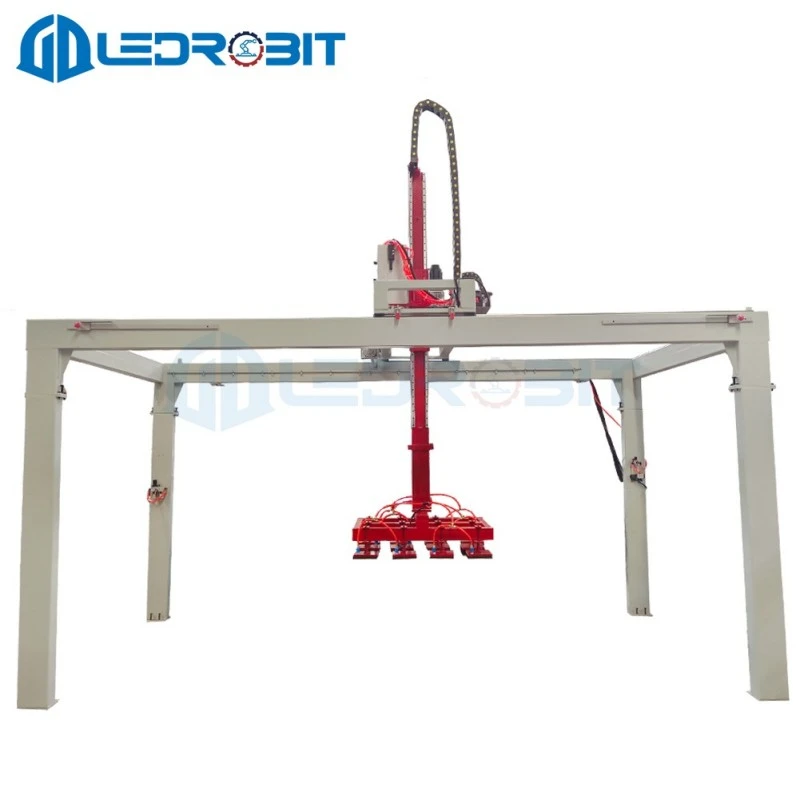
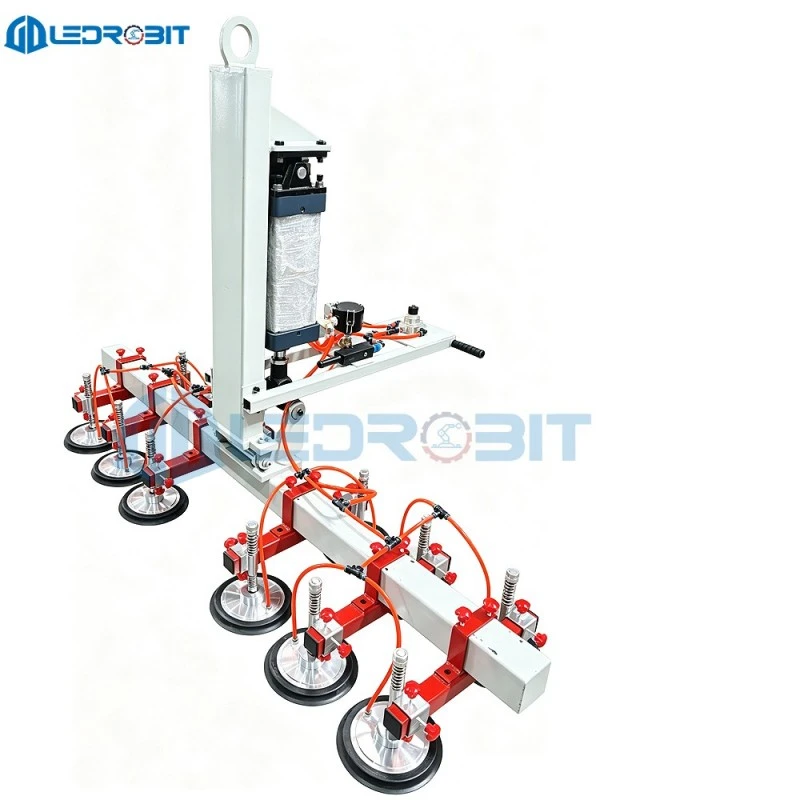
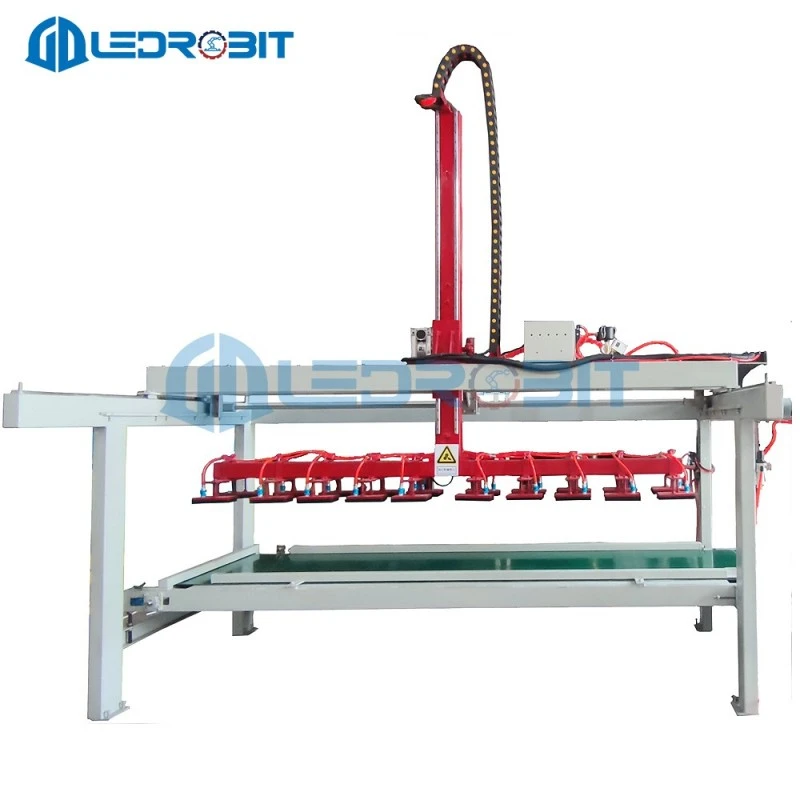
Tiles Palletizer
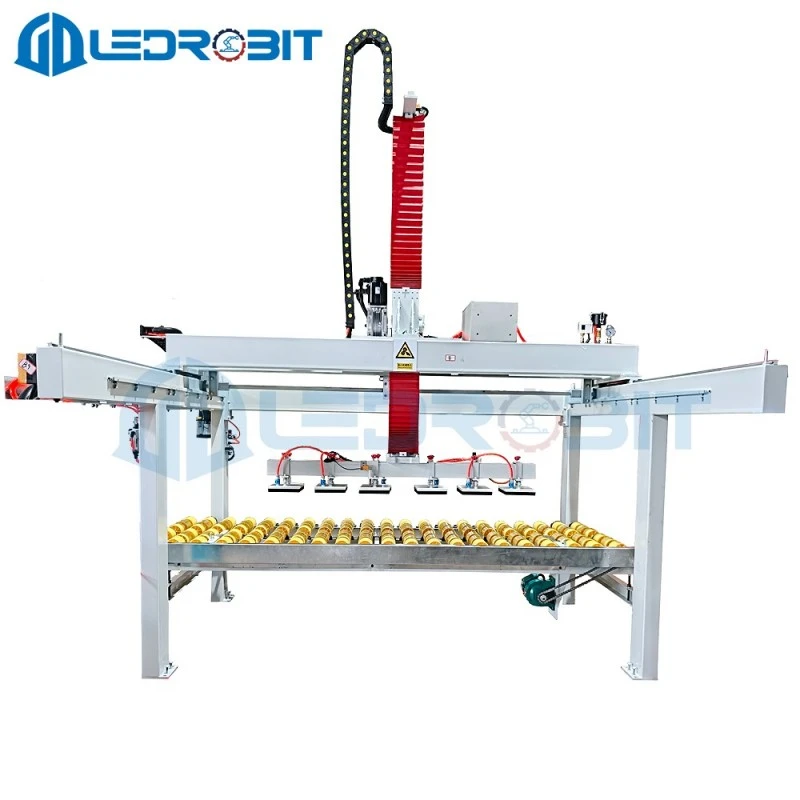
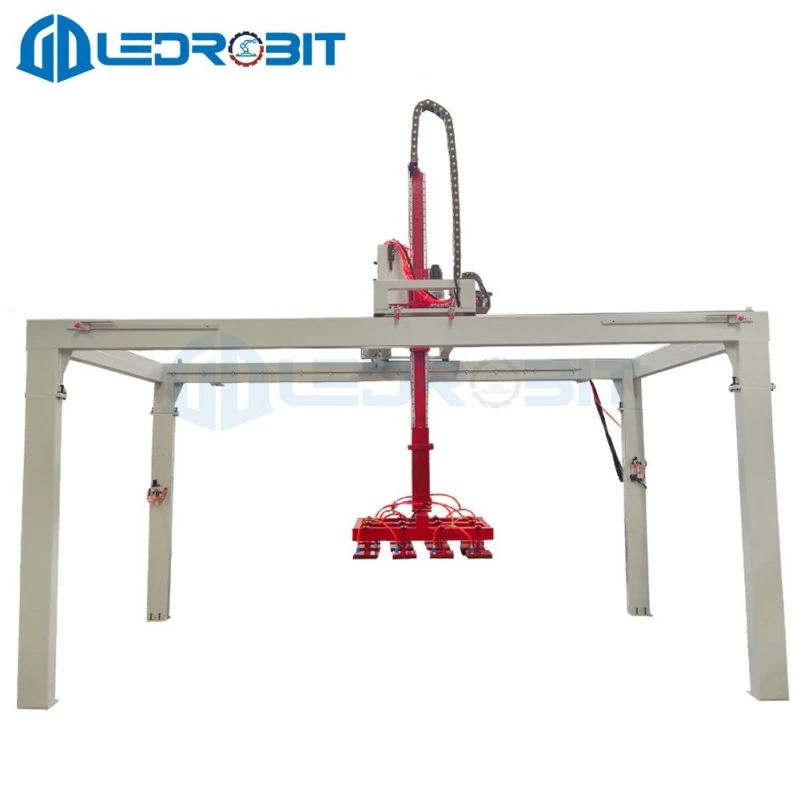
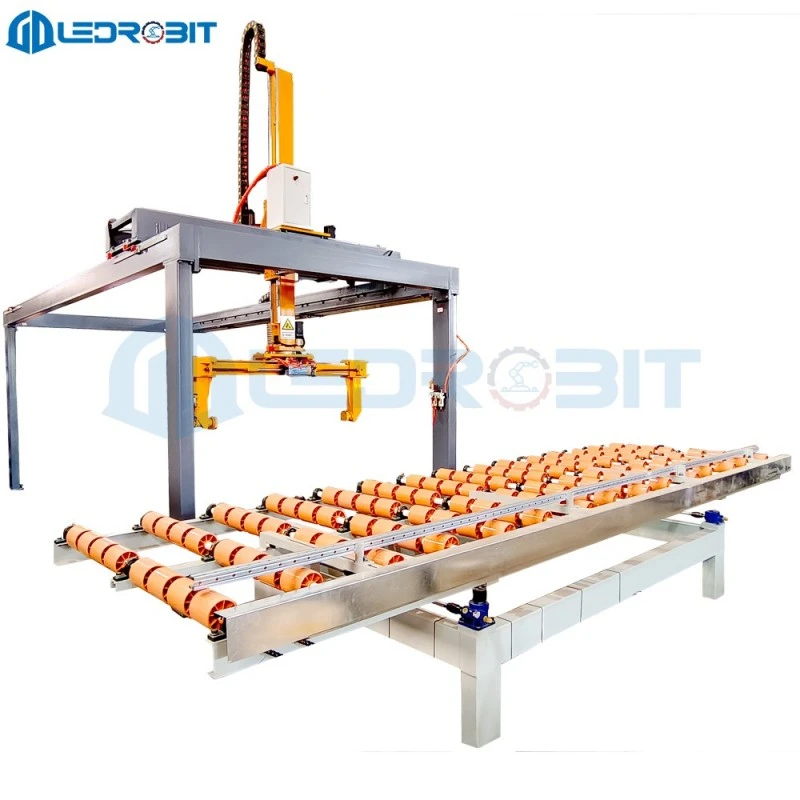
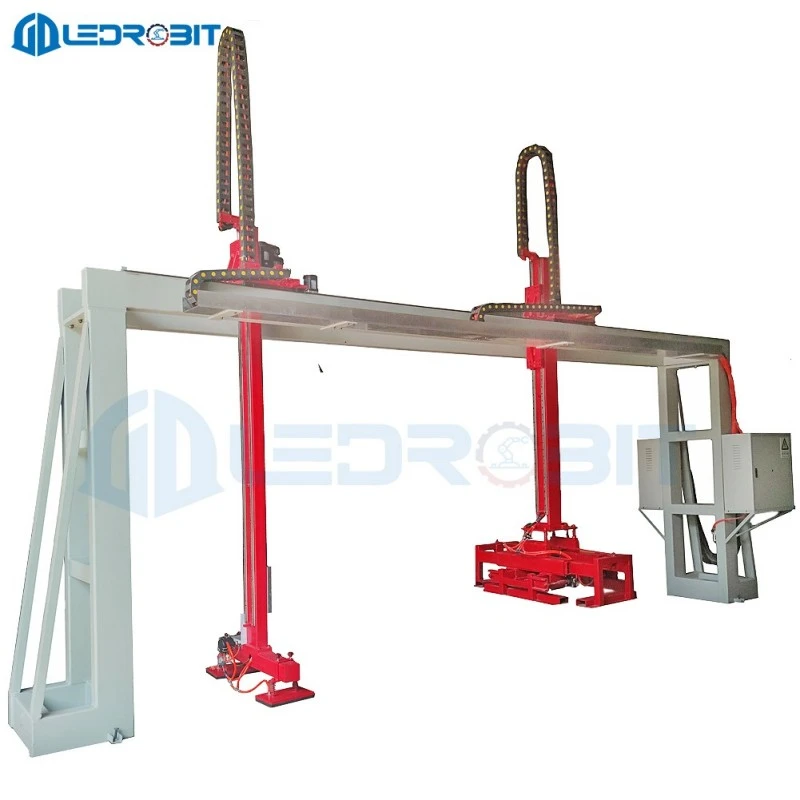
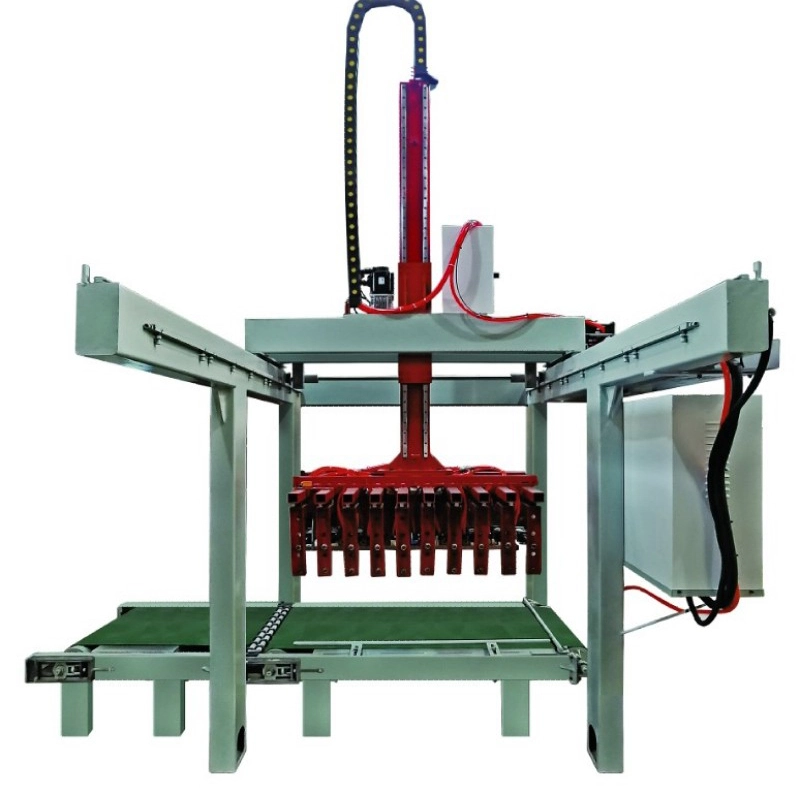
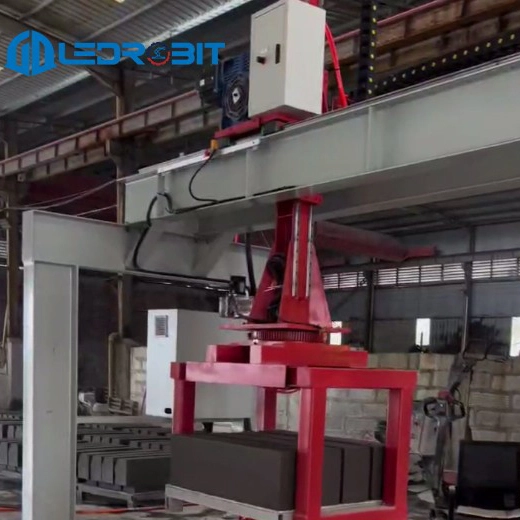
The Ledrobit Tiles Palletizer is a CE-certified automated palletizing solution designed for tile manufacturers seeking higher stacking accuracy, lower labor costs, and smoother production flow. Equipped with servo-driven positioning, photoelectric sensors, protected guide rails, and automatic lubrication, it supports different tile formats and palletizing patterns while integrating with upstream and downstream equipment.
Ledrobit provides automated solutions for tile production factories that need to improve handling efficiency and production consistency. The Tiles Palletizer is designed for automatic loading, positioning, and stacking of different tile products, helping manufacturers solve common problems such as high labor dependency, unstable stacking quality, and slow manual handling speed.
Equipped with servo drive technology, photoelectric detection systems, and PLC control, the equipment can complete tile palletizing operations accurately and continuously. It is suitable for ceramic tiles, porcelain tiles, floor tiles, wall tiles, and large-format tile products. With CE certification, Ledrobit delivers reliable automation equipment that can be integrated into modern tile manufacturing lines.
Technical Data
| Model | LDTP200 |
| Dimensions (L×W×H) | 3500×3000×1800MM |
| Maximum Lift Stroke | 1450MM |
| Maximum Travel | 2000MM |
| Maximum Loading Capacity | 300KG |
| Mechanical Weight | 800KG |
| Maximum Loading Size | 3000×600MM |
| Minimum Loading Size | 200×200MM |
| Working Speed | 30S/pcs |
| Output Power | 5KW |
Tile Handling Performance
Different tile manufacturers often need to process various product sizes within the same production facility. This Tiles Palletizer is designed with flexible handling capability and can be adjusted according to tile dimensions, weight, and packaging requirements.
The system supports different types of tiles including ceramic tiles, porcelain tiles, polished tiles, wall tiles, and large-format slabs. By adjusting the gripping method and operating parameters, the equipment can handle different production orders without replacing the complete mechanical structure, improving equipment utilization and reducing production preparation time.
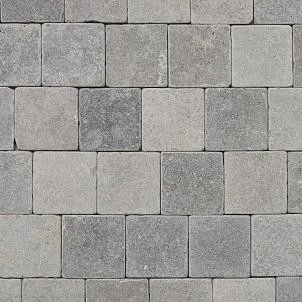
Stacking Quality Control
For tile manufacturers, stable pallet stacking directly affects packaging efficiency and transportation safety. Uneven manual stacking may cause unstable pallets, product shifting, and increased risk of corner damage during storage or delivery.
The equipment uses servo-controlled movement and sensor feedback to ensure accurate tile placement. Each tile is positioned according to the preset stacking program, creating neat and stable pallet structures. This improves warehouse management efficiency and reduces losses caused by improper handling.
Production Flexibility
Tile factories usually need to manage multiple product models and customer orders. Frequent manual adjustment during palletizing can reduce production efficiency and increase downtime.
The control system allows operators to set different working programs according to tile specifications and pallet arrangements. When production requirements change, operators can quickly switch parameters instead of making complicated mechanical adjustments. This flexibility helps manufacturers respond faster to different market demands.
Equipment Reliability
Tile production environments usually contain ceramic dust, powder, and processing residues that may affect mechanical components. Ledrobit designs the equipment structure for long-term industrial operation, with protective measures for important moving parts.
The guide rails are equipped with protective covers to reduce dust entry, while the automatic lubrication system supplies lubricant regularly to reduce wear. These designs help maintain stable operation, extend component service life, and reduce unexpected downtime during continuous production.
Operating Cost Control
Lower Labor Demand in Daily Production
Manual tile palletizing requires workers to repeatedly lift, move, align, and stack finished products. As production volume increases, factories need more workers to maintain the required output, while fatigue can also affect stacking consistency. The Tiles Palletizer automates these repetitive handling tasks and allows operators to focus on equipment monitoring and production coordination rather than continuous physical handling.
For factories running multiple shifts, reducing repetitive manual work can provide a measurable long-term cost benefit. The equipment also helps reduce dependence on temporary workers during peak production periods, making production scheduling easier and more predictable.
Better Use of Factory Floor Space
The palletizing process can be arranged according to the available production and storage area. With a maximum travel distance of 2000 mm and a maximum lift stroke of 1450 mm, the equipment can be positioned around the required pallet loading area while maintaining a controlled material flow.
Before delivery, Ledrobit can evaluate the customer's workshop layout, conveyor position, pallet dimensions, and material flow to determine a suitable installation arrangement. This helps avoid unnecessary equipment movement and makes better use of existing factory space.
Maintenance Guide
Daily Inspection and Cleaning
Daily maintenance mainly focuses on keeping the working area and moving components clean. Tile dust and production debris should be removed from the machine surface and around the guide rail protection. Operators should also check whether photoelectric sensors are clean and whether their detection path is unobstructed.
Before starting each shift, the operator can check the machine for abnormal noise, unusual vibration, loose components, or unexpected movement. Any abnormal condition should be investigated before continuous production resumes.
Regular Lubrication and Component Checks
The automatic lubrication system reduces the need for frequent manual lubrication, but the lubricant level and lubrication condition should still be checked according to the operating environment and usage frequency. Guide rails, moving mechanisms, fasteners, and other mechanical parts should be inspected periodically for wear or looseness.
Electrical components, cables, sensors, and control-system connections should also be inspected during scheduled maintenance. Following a regular maintenance plan helps prevent avoidable downtime and keeps the palletizing process stable over long production cycles.
Manual vs Automatic Palletizing
For tile factories evaluating automation equipment, the main difference is not only palletizing speed but also the consistency and operating cost of the complete handling process. The following comparison shows the practical differences between manual stacking and automated palletizing.
| Item | Manual Palletizing | Automated Palletizing |
| Labor requirement | Several workers may be required for continuous handling | Fewer workers are needed for monitoring and production coordination |
| Stacking consistency | Can vary according to worker experience and fatigue | Preset programs provide consistent stacking patterns |
| Working speed | May decrease during long working periods | Maintains a programmed operating cycle |
| Tile handling | Repeated manual lifting and positioning | Automatic pick-and-place operation |
| Stack stability | Depends on manual alignment | Controlled positioning improves stack uniformity |
| Labor cost | Continuous labor expense | Lower long-term dependence on manual handling |
| Production management | More difficult to standardize | Programs can be adjusted according to production requirements |
| Suitable production scale | Small-volume or low-frequency handling | Medium- and high-volume automated production |
Industry Applications
The equipment can be used at the end of tile production lines where finished products need to be transferred and arranged onto pallets. It is suitable for ceramic tile factories, porcelain tile manufacturers, floor tile production lines, wall tile plants, and other facilities that require automated handling of flat tile products.
It can also be configured according to different pallet sizes, tile dimensions, stacking patterns, and production line layouts. For customers planning to connect palletizing with sorting, packaging, conveying, or warehouse handling equipment, Ledrobit can provide a corresponding automation solution based on the actual factory conditions.
Common Questions
What types of tiles can the machine handle?
The machine can be used for various flat tile products, including ceramic tiles, porcelain tiles, polished tiles, floor tiles, wall tiles, and other similar products. The handling configuration can be adjusted according to tile dimensions, weight, and production requirements.
Can the palletizing pattern be customized?
Yes. The palletizing program can be configured according to tile size, pallet dimensions, stacking height, and the customer's packaging requirements. Ledrobit can also adjust the equipment configuration according to the required production process.
Can it handle different tile sizes on the same production line?
Yes, provided that the tile dimensions and weight are within the equipment's working range. Different operating programs can be configured for different products, allowing manufacturers to switch between production orders more conveniently.
How does the machine know where to place each tile?
Photoelectric sensors detect the position of tiles and pallets, while the PLC control system coordinates the movement of the equipment. The programmed palletizing pattern determines the target position of each tile.
Can it be connected to an existing tile production line?
Yes. The equipment can be integrated with conveyors and other upstream or downstream equipment. Ledrobit can evaluate the existing production line layout, material flow, pallet dimensions, and required cycle time before recommending the appropriate configuration.
How many workers can the equipment replace?
The actual labor reduction depends on the original palletizing method, production volume, tile specifications, and working hours. In many production environments, the equipment can significantly reduce the number of workers required for repetitive loading and stacking operations.
What maintenance does the machine require?
Routine maintenance includes cleaning dust and debris, checking sensors, monitoring the automatic lubrication system, and inspecting moving and electrical components. Regular maintenance intervals should be adjusted according to operating hours and workshop conditions.
Can the machine work continuously?
Yes. The equipment is designed for industrial production environments and can perform repeated palletizing cycles. Actual operating schedules should be determined according to production requirements and the recommended maintenance intervals.
Does the equipment have CE certification?
Yes. The equipment supplied by Ledrobit has CE certification for applicable market requirements. Certification and technical documentation can be provided according to the customer's project and purchasing requirements.
Can you customize the equipment?
Yes. Ledrobit can customize the palletizing solution according to tile dimensions, product weight, pallet size, stacking pattern, production capacity, and factory layout. Customers can provide drawings, product specifications, or production-line information for evaluation.
Do you provide installation and technical support?
Yes. Ledrobit provides technical support for equipment installation, commissioning, operation, and maintenance. Overseas installation services can also be arranged according to the project requirements.
How long is the warranty?
The standard warranty period is one year. Specific warranty terms can be confirmed according to the final quotation and purchase agreement.
Are you a manufacturer?
Yes. Ledrobit is a manufacturer providing equipment design, production, assembly, commissioning, and after-sales technical support. This allows us to communicate directly with customers about customization and production-line integration requirements.
Can you provide a complete automated production line?
Yes. Ledrobit can provide automation solutions for different stages of tile and stone processing. The production-line configuration can be designed according to factory space, product specifications, required output, and the customer's existing equipment.
How can I get a quotation?
Please send us your tile dimensions, tile weight, pallet size, required stacking pattern, production capacity, and workshop layout if available. Our engineering team can evaluate the requirements and recommend a suitable configuration.
For technical consultation, customization, quotation, or installation support, please contact Ledrobit:
Email: sales@ledrobit.com
Tel: +86-13599995268
Hot Tags: Tiles Palletizer, Automatic Tile Palletizer, Tile Palletizing Machine
Send Inquiry
Contact Info
-
Address
No. 45 Jiashi Road, Anping Development Zone, Anhai Town, Jinjiang City, Quanzhou, Fujian Province, China
-
Tel
-
E-mail
Get a Tailored Quote for Your Production Line
What We Can Help With:
Custom equipment design — Based on your material characteristics and factory layout.
Production line integration — Connect key processes and reduce manual handling.
OEM/ODM projects — Provide drawings or requirements, and we manufacture to your specifications.
After-sales support — Installation, commissioning, training, and spare parts.
We respond to every inquiry within 24 hours. No pressure, just practical advice from engineers who understand industrial automation. Complete the form below and our team will get back to you with a custom solution.
What We Can Help With:
Custom equipment design — Based on your material characteristics and factory layout.
Production line integration — Connect key processes and reduce manual handling.
OEM/ODM projects — Provide drawings or requirements, and we manufacture to your specifications.
After-sales support — Installation, commissioning, training, and spare parts.
We respond to every inquiry within 24 hours. No pressure, just practical advice from engineers who understand industrial automation. Complete the form below and our team will get back to you with a custom solution.